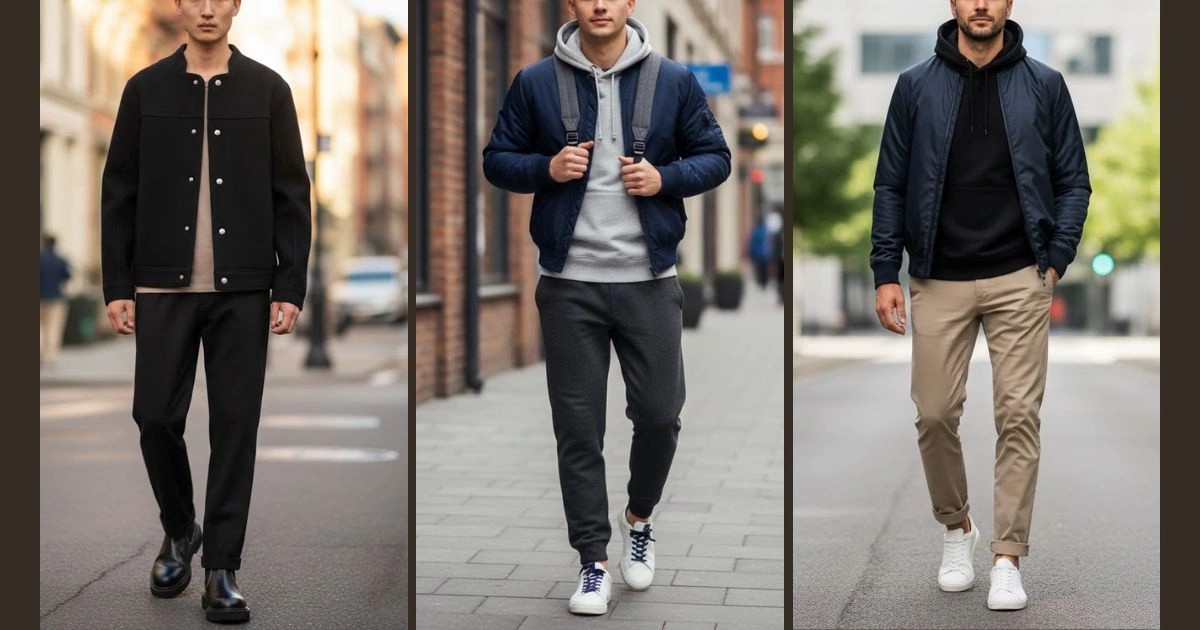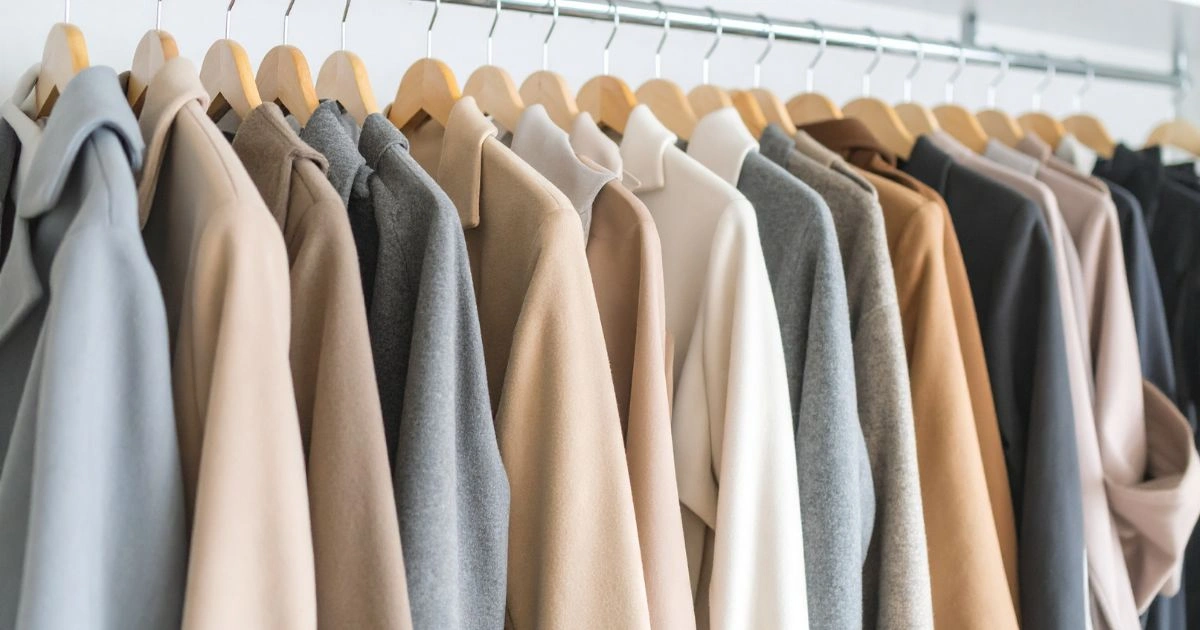
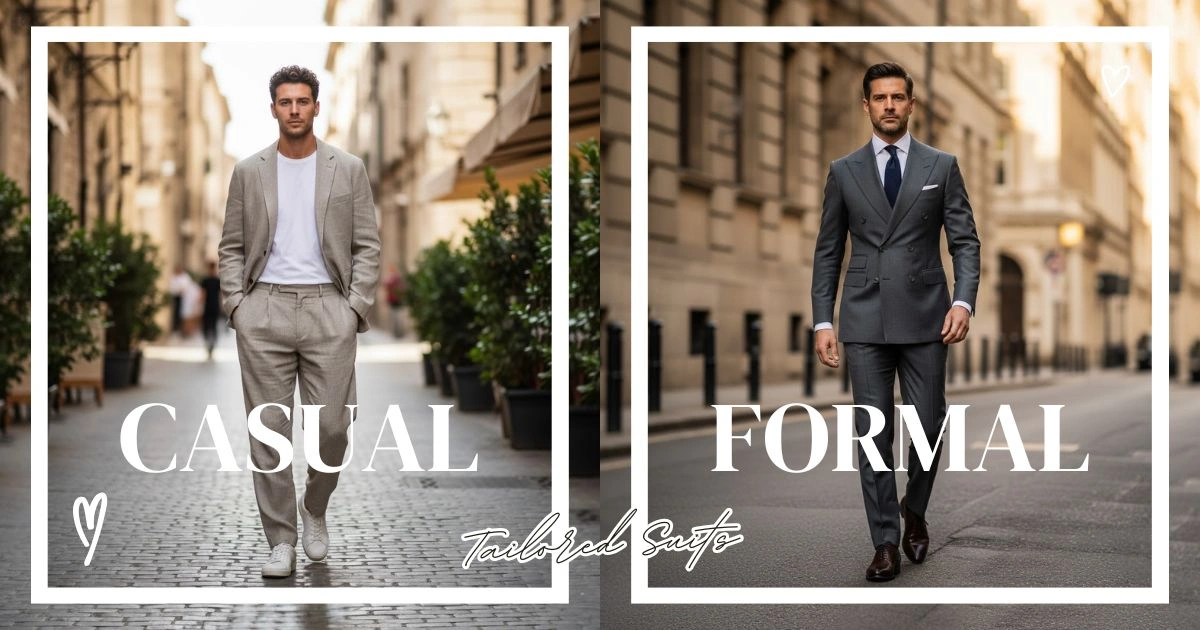
When it comes to men’s fashion, few garments communicate confidence and presence like a tailored suit. In 2026, suits aren’t just for weddings and boardrooms. They are evolving into versatile pieces that can be worn in formal settings and styled down for casual occasions. Whether dressing for a business event or a night out, understanding the difference between casual and formal tailored suits helps elevate any wardrobe.
This guide breaks down suit styles, how to wear them, essential pieces worth investing in, and the latest trends. From classic formalwear that commands respect to relaxed tailoring that feels easy and modern, this guide covers everything a man needs to know to dress intelligently and stylishly.
Why Tailored Suits Still Matter
Even as fashion becomes more relaxed, tailored suits retain their value. They bring structure, polish, and a sense of purpose to an outfit. A well‑fitted suit makes a strong impression at weddings, job interviews, formal events, and anytime a refined look is needed. At the same time, modern suits are no longer limited to stiff, classic forms. Designers and brands are reinventing tailoring to feel lighter, more wearable, and appropriate for a variety of occasions. This means suits can bridge the gap between casual and formal without feeling out of place.
Understanding Suit Basics
Before exploring the key differences between casual and formal tailored suits, it helps to know what makes a suit traditional or relaxed. A tailored suit typically includes a matching jacket and trousers made from a structured fabric. Formal suits often follow classic proportions and cuts. Casual tailored suits may loosen the silhouette, use lighter fabrics, or pair with unexpected pieces such as sneakers or knitwear.
In 2026, tailoring trends lean toward comfort without losing structure. Jackets with softer construction, unstructured shoulders, and breathable fabrics are gaining ground, especially for suits meant to feel more casual and less rigid. This approach keeps a suit looking purposeful while making it easier to wear in everyday life.
What Defines A Formal Tailored Suit
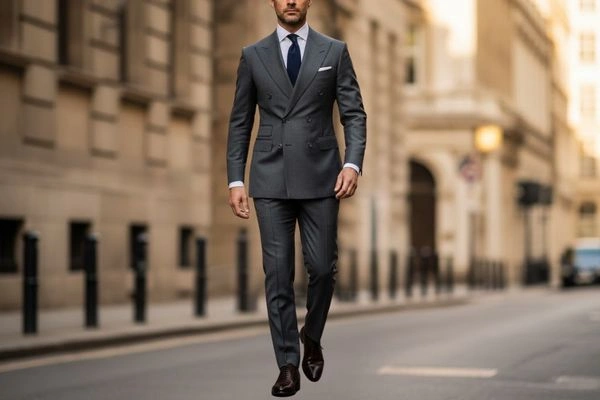
AI-generated image of a man wearing a classic charcoal wool suit with peaked lapels and oxfords.
Formal tailored suits are designed for occasions that require polish and presence. These include business meetings, wedding receptions, gala dinners, or any event where traditional elegance matters. The fabric, cut, and proportions lean toward classic standards that have endured for decades.
Key Features Of Formal Suits
Structured Silhouettes: The jacket and trousers are cut with clear lines, structured shoulders, and a defined waist. This creates a sharp, commanding look that works well in formal settings. A timeless option for formal occasions is a navy or charcoal suit in classic wool. A tailored navy wool suit from brands like Hugo Boss or Tom Ford is known for their refined craftsmanship and classic fit.
Traditional Fabrics: Classic suiting materials such as wool, tropical wool, and worsted blends hold their shape and give a formal suit weight and presence. These fabrics work well in both cooler and temperate climates and avoid looking too casual. Suitsupply’s Havana suit in super 110s wool is one choice that blends structure with modern tailoring.
Clean Details: Formal suits favor simple, clean details. Subtle pinstripes, notch or peak lapels, and minimal patterns are hallmarks of this category. Accessories like silk ties, pocket squares, and polished leather shoes complete the look.
Latest Formal Suit Trends
This year, formal tailoring continues to embrace classic influences while balancing comfort. Many brands are designing suits with softer canvassing and lighter construction to improve wearability. Wide lapels and balanced proportions are trending as designers move away from ultra‑thin lapels and overly tight fits.
Double‑breasted suits are also making a strong comeback, offering a bold silhouette that reads as confident and stylish in formal settings. Pastel suits are being chosen for daytime weddings and outdoor events, proving that formalwear can feel fresh while still serious.
Best Formal Suit Picks
- Hugo Boss Traditional Wool Suit – A polished choice for business or formal occasions with timeless appeal.
- Tom Ford Dyllan Suit – A high‑end option with luxury fabrics and refined tailoring.
- Suitsupply Havana Suit – Excellent mid‑range pick with classic styling and modern fit.
- J.Crew Kenmare Suit – A relaxed yet refined alternative that works year‑round.
What Makes A Casual Tailored Suit
Casual tailored suits blend the discipline of tailoring with relaxed styling and everyday comfort. They often use lighter fabrics, looser fits, and flexible styling that feels at home outside formal environments. A new generation of casual suits is emerging, influenced by changes in work culture, hybrid work environments, and the influence of everyday style on tailoring.
Key Features Of Casual Tailored Suits
Relaxed Fit: Casual suits typically feature softer shoulders, less structured jackets, and more room through the chest and trousers. This creates a look that feels intentional but not overly formal. In many cases, casual suits resemble sport coats or coordinated sets more than traditional business suits.
Lightweight Fabrics: Fabrics like linen, cotton blends, open‑weave wool, and lightweight tropical wool make casual suits comfortable, especially in warmer weather. These materials allow air to move more freely and prevent overheating.
Versatile Styling: Casual tailored suits pair well with informal pieces such as knit polos, roll‑neck sweaters, and even sneakers. For example, a linen blend suit worn with a crisp white tee and minimalist sneakers feels polished yet laid back.
How To Wear Casual Tailored Suits
The beauty of casual tailored suits lies in their versatility. Here are practical ways to wear them:
- Wear with a polo or casual shirt instead of a dress shirt.
- Pair with leather sneakers or loafers for a relaxed yet put‑together look.
- Mix and match pieces, such as using suit trousers with a cashmere sweater and blazer separately.
- Skip the tie and button the jacket casually for smart‑casual events.
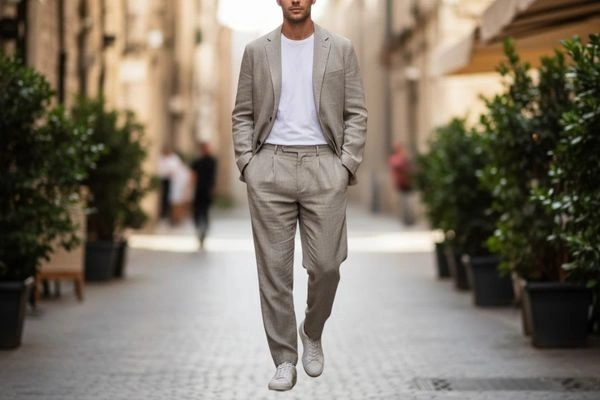
AI-generated image of a man wearing a neutral linen suit and relaxed blazer with sneakers.
Trends In Casual Tailoring
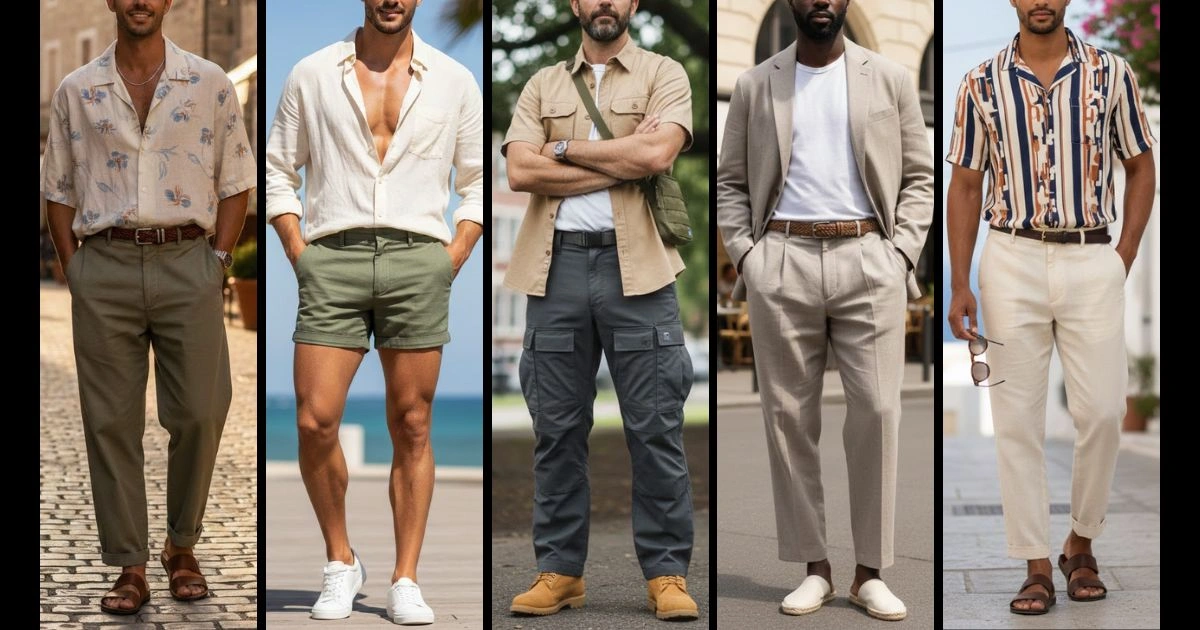
Casual tailoring focuses on relaxed silhouettes without sacrificing refinement. Drop‑shoulder suits and softer constructions are emerging, influenced by vintage shapes and modern ease. Designers are choosing earth tones and neutral palettes that bridge the gap between formal and casual.
Additionally, structured blazers are being styled in unexpected ways, such as pairing with sneakers or open‑collar shirts to create looks that feel current and wearable outside formal spaces. This trend reflects wider menswear movements that value personal style and adaptability.
Casual Vs Formal Tailored Suits: Key Differences
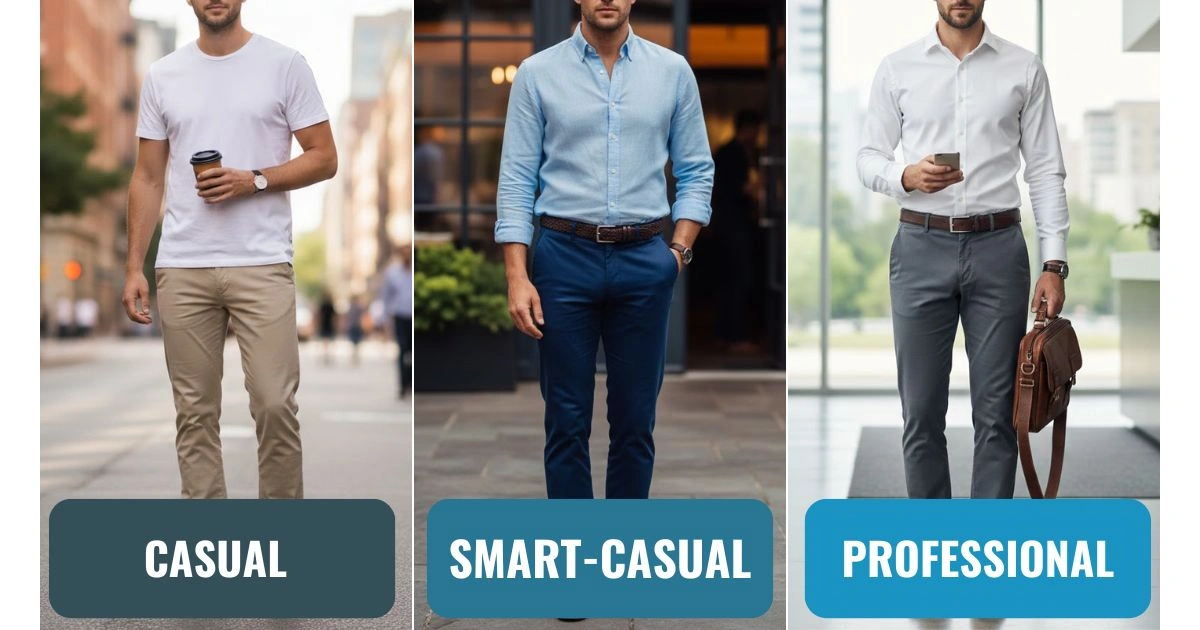
Understanding how casual and formal tailored suits differ helps when choosing what to wear for specific occasions.
Fit And Structure
- Formal Suits: Often structured with defined shoulders and a fitted waist. They deliver a crisp silhouette.
- Casual Tailored Suits: Softer construction and relaxed proportions. Jackets may feel closer to sport coats than rigid formal pieces.
Fabric And Weight
- Formal Suits: Use heavier, classic fabrics like worsted wool or tropical wool for shape and drape.
- Casual Suits: Lean toward breathable, lightweight fabrics that move with the wearer.
Styling And Accessories
- Formal Suits: Paired with dress shirts, silk ties, polished shoes, and minimal accessories.
- Casual Tailored Suits: Styled with polos, knitwear, sneakers, and expressive accessories. Mixing textures and subtle patterns is common.
Occasion And Versatility
- Formal Suits: Best for precise dress codes like black‑tie, business functions, and formal ceremonies.
- Casual Suits: Work well for everyday office settings, dinner dates, creative events, and smart casual functions.
How To Build A Tailored Suit Wardrobe
Investing in tailored suits should begin with pieces that offer the most versatility, then expand into more stylistic or statement options.
Essentials For A Strong Foundation
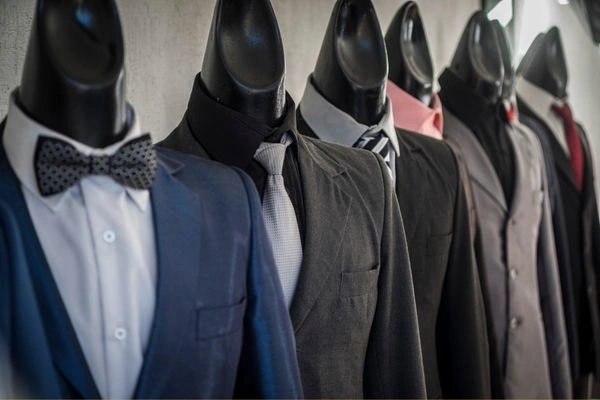
- Navy Wool Suit: A timeless choice that works for formal occasions and can be dressed down with casual pieces.
- Charcoal Suit: Offers a darker, versatile base ideal for business and evening events.
- Lightweight Linen or Cotton Suit: Perfect for warmer seasons or casual tailoring looks.
- Patterned Suit (Subtle Checks): Adds visual interest without overpowering an outfit.
Accessories To Know
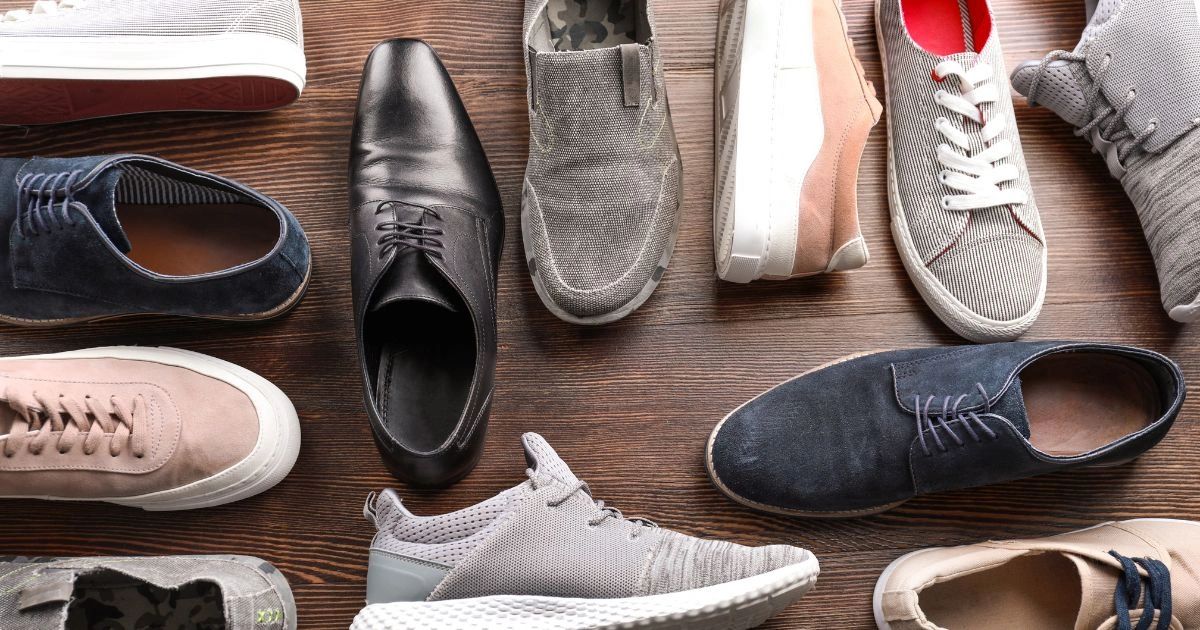
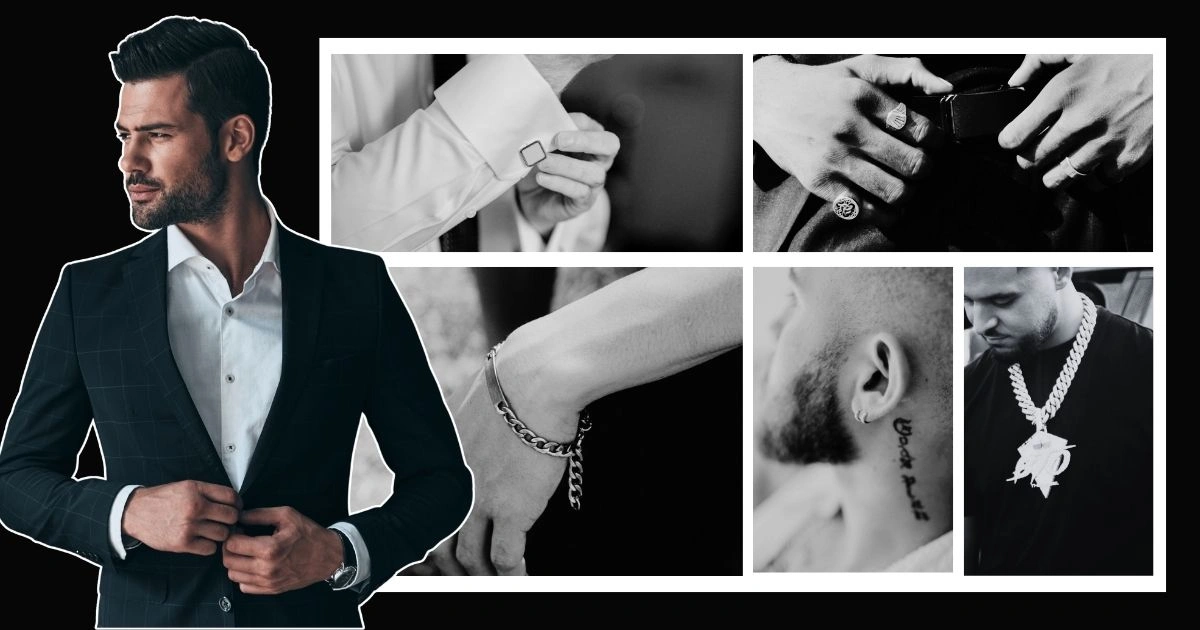
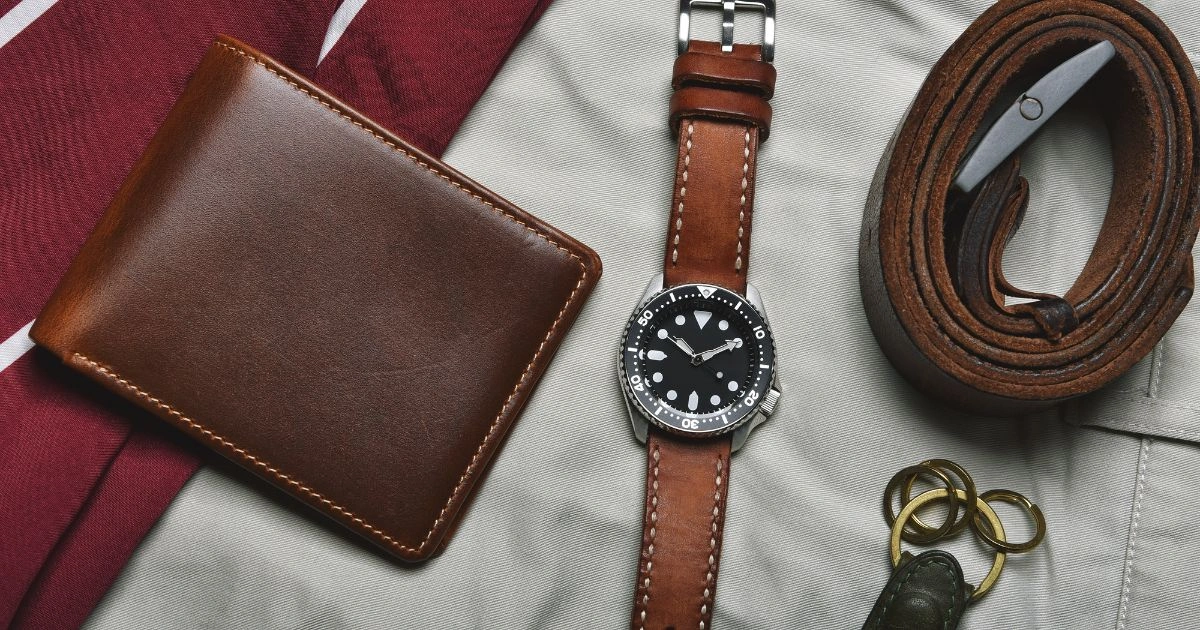
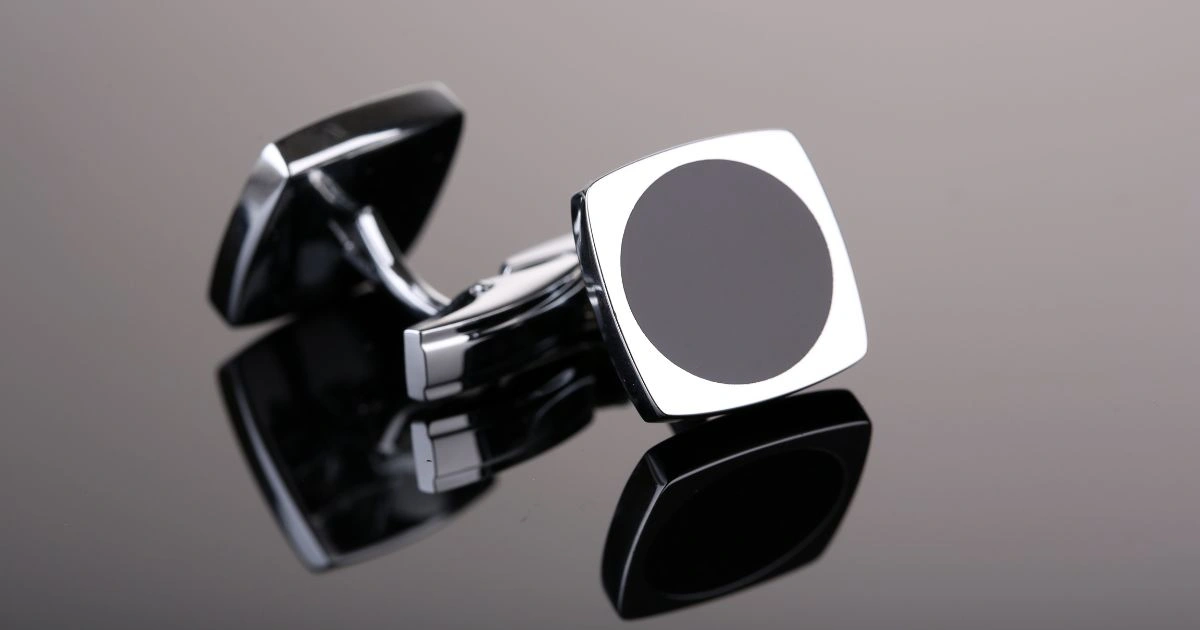
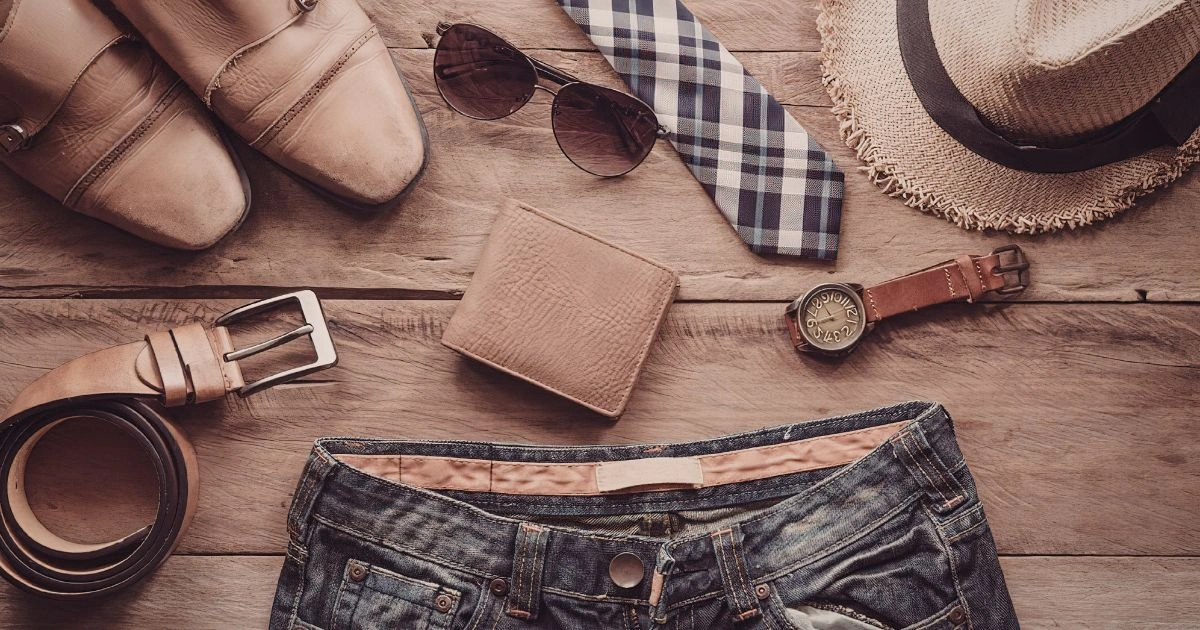
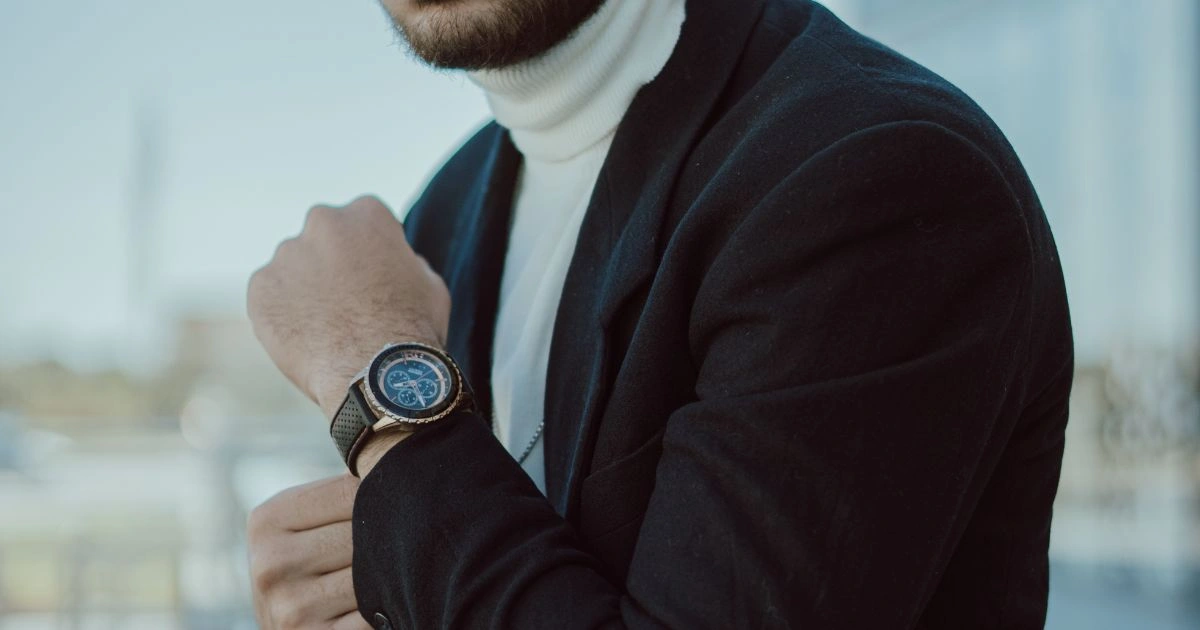
Accessories make a big difference in how a suit reads. For formal settings, keep accessories classic—silk ties, simple cufflinks, and polished leather shoes. For casual looks, embrace loafers, leather sneakers, knit scarves, and expressive watches. Subtle patterns and textures like knit ties or pocket squares help personalize an outfit.
Fit Matters Most
No matter the style, fit is the most important aspect of any suit. A well‑fitted suit feels comfortable and looks modern without being tight. Tailors can adjust sleeves, jacket lengths, waist suppression, and trouser breaks to suit individual body shapes. Investing in tailoring pays dividends in how confident and refined a suit looks, whether formal or casual.
Mastering Men’s Style With Casual And Formal Tailoring
Tailored suits continue to evolve in a way that blends tradition with modern wearability. Formal suits remain essential for occasions that demand presence and polish, while casual tailored suits reflect a new era of dressing that values ease and personal expression. By understanding the key differences between casual and formal suits, and choosing pieces that reflect both timeless design and current trends, a well‑rounded wardrobe becomes more achievable and more relevant to everyday life.
Whether dressing for a black‑tie event or a stylish dinner out, the right tailored suit can elevate any look. As trends continue to shift toward softer tailoring, breathable fabrics, and thoughtful styling, men’s suits offer more versatility and relevance than ever before.